AI Entrepreneurship: The Biggest Opportunities Ahead
advertisement
As artificial intelligence transitions from a phase of experimentation to a core economic catalyst, the domain of AI entrepreneurship is transforming—moving away from saturated consumer applications and focusing more on specialized, valuable sectors that support long-term expansion. For those who grasp the interplay among technology, regulatory frameworks, and market needs, these possibilities are not merely fads; they serve as avenues for developing enduring, impactful enterprises that attract discerning investors and visionary leaders.

Open Agent Ecosystems and OPC Models
The emergence of open AI agents, such as OpenClaw, has ushered in a new age of "one-person companies" (OPCs), where individual entrepreneurs utilize AI to autonomously manage complex tasks. This approach, aided by governmental initiatives that provide free computational resources and financial backing, opens doors to creating tools that empower these "super individuals" across various sectors, including digital arts and consulting services.
These open agent environments dismantle conventional resource limitations, enabling OPCs to vie with bigger companies by taking advantage of AI-enhanced efficiency. The OPC framework, bolstered by open-source applications and public support, promotes innovation and reimagines entrepreneurship—rendering it more attainable for progressive individuals to establish scalable, technology-driven businesses.
Open-Source AI Ecosystem Development
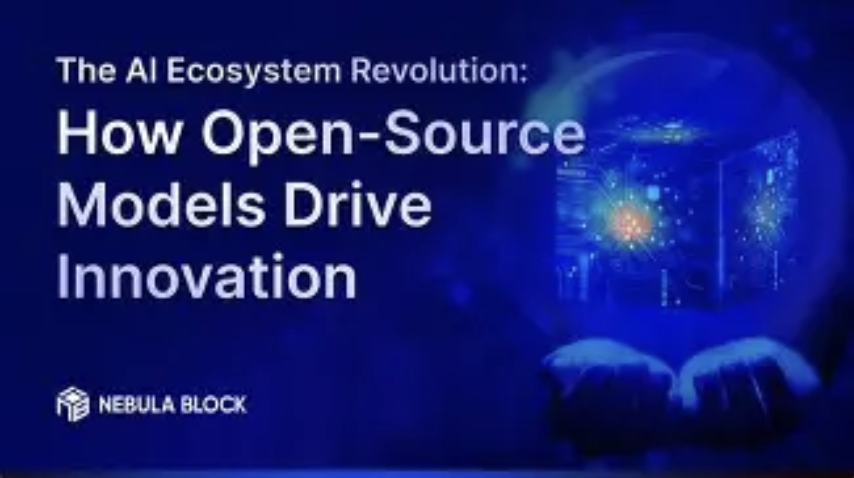
Rather than merely crafting standalone AI instruments, the most significant potential resides in fostering open-source AI ecosystems. In contrast to proprietary tech titans, open-source platforms facilitate cooperative innovation, and entrepreneurs who nurture these environments can generate revenue through licensing, enterprise assistance, and ecosystem collaborations—a field where Chinese startups currently excel on a global scale.
Edge AI for Privacy-Centric Solutions
Affluent individuals and businesses necessitate AI solutions that safeguard confidential data. Edge AI, which entails processing data locally on devices instead of relying on cloud services, meets this requirement. Entrepreneurs concentrating on edge AI for industries such as wealth management, luxury retail, and private healthcare can engage a market willing to invest significantly in privacy and efficiency.
AI-Driven Industrial Robot Personalization
Industrial robotics are evolving beyond mere repetitive functions due to enhanced intelligence. The opportunity resides in adapting AI-infused robots for specialized industrial applications—like precision manufacturing or tailored logistics—where standard solutions are inadequate, thus generating high-margin services for significant corporations and manufacturers.
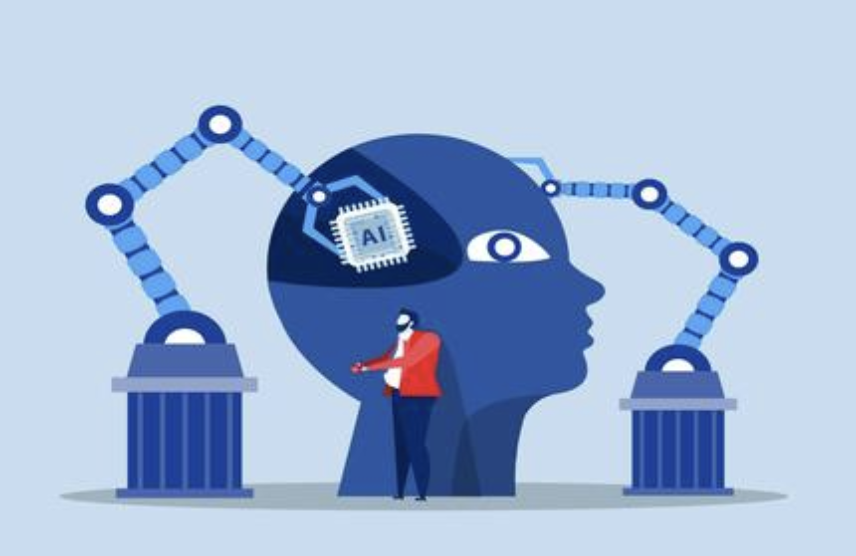
With the swift adoption of AI technologies, regulatory bodies are intensifying their scrutiny—creating a niche for startups that develop AI safety solutions. These solutions encompass mechanisms for auditing open-source AI agents, safeguarding sensitive information, and ensuring adherence to international regulations, addressing a pressing demand for enterprises and investors focused on reducing risk.
AI-Enabled Integration with Real-World Environments
Numerous opportunities present themselves in combining AI with real-world environments, ranging from "AI+ digital culture and creativity" to intelligent city management. Entrepreneurs who create AI solutions specifically designed for distinct physical contexts—such as OPC networks for digital creators or AI-optimized traffic control—can take advantage of government support and market demands that remain largely unaddressed.
The most significant prospects for AI entrepreneurship are no longer found in generic applications, but rather in addressing particular, high-value challenges that integrate technology with policy, privacy, and real-world requirements. For astute investors and entrepreneurs, these sectors provide not just immediate gains, but the potential to influence the forthcoming phase of AI-driven economic advancement.
(Writer:Cily)
Related Articles