Why Smart Minds Fall Prey to Misinformation
advertisement
Intellect, frequently regarded as a protection against trickery, seldom ensures a shield against erroneous information—particularly in a time when technology amplifies partial truths and alters perceptions. Even the most perceptive and insightful people, including those with ample resources and strong analytical skills, fall prey to being misled, usually through technology-driven strategies that take advantage of cognitive gaps we seldom acknowledge.
Technology-Fueled Confirmation Bias
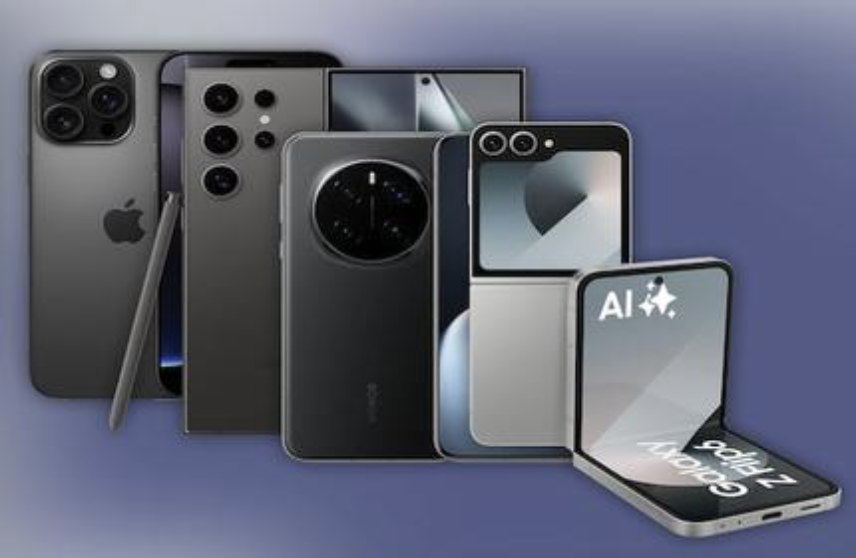
Individuals with high intelligence often have faith in their own evaluations, yet algorithms present them with selective content that reinforces their already held beliefs. For instance, affluent consumers of technology frequently encounter AI-crafted reviews and customized social media content that affirm their loyalty to high-end brands, concealing any shortcomings of the products or services they choose to purchase.
This digitally self-sustaining cycle slowly constricts cognitive viewpoints, causing even the most logical and astute minds to become increasingly resistant to alternative opinions or constructive criticism. As time passes, individuals tend to conflate algorithmically generated consistency with actual truth, diminishing their capacity for sound judgment and accurate decision-making. Initially rooted in tailored ease, this process transforms into an intellectual bubble, where robust belief in personal insight obscures the nuanced influence of contemporary intelligent technologies.
Deepfake Technology: The Mirage of Truth
Sophisticated deepfake technology has obscured the distinction between genuine and artificial content. Wealthy individuals, targeted by manipulated endorsements from fictitious industry figures or modified financial statements, can be misled into making expensive choices—all because the technology simulates authenticity so convincingly that even astute observers struggle to identify it at first glance.
Overload of Information and Fatigue from Technology
The incessant stream of information derived from technology—from encrypted communications to summaries generated by AI—results in mental exhaustion. Highly intelligent people, inundated with uncontrolled data, tend to depend on rapid, machine-generated information instead of engaging in thorough analysis, often falling for deceptive snippets that align with their prior beliefs.
Algorithm-Driven Echo Chambers
In contrast to conventional misinformation, technological algorithms establish insular echo chambers. Even discerning individuals become ensnared in cycles of repetitive content, where inaccurate assertions are reiterated by AI programs and like-minded individuals, gradually establishing false beliefs that seem trustworthy due to their prevalence.

Highly intelligent individuals frequently equate technology with precision, presuming that AI applications, visual data representations, or online platforms are fundamentally dependable. Deceptive information presented in sleek, tech-based designs—such as fabricated market trend charts or AI-generated research documents—can easily elude careful examination.
Cognitive Overestimation Regarding Technology
Numerous clever individuals believe they can easily identify tech-facilitated misinformation. They have confidence in their acquaintance with digital tools, failing to see that today's misleading methods—such as AI-assisted text distortion or concealed metadata—are crafted to surpass even experienced critical analysts.
This situation does not indicate a deficiency in intelligence but rather a clash between human thought processes and advanced technological advancements. For individuals with significant consumption levels, being aware of these technology-induced traps is crucial to steering clear of expensive errors, as misinformation flourishes not from a lack of knowledge but from exploiting the very attributes of intelligent minds.
(Writer:Galli)
Related Articles