The Erosion of Knowledge’s Value in the Tech Age
advertisement
In a time when premium items continue to shine and unique experiences are in high demand, an interesting contradiction has arisen: information, once a rare and valuable resource, is becoming more accessible financially. This transformation is not merely by chance, but is a direct result of advancements in technology that have revolutionized the way we generate, share, and assess knowledge, particularly significant for those who have historically regarded knowledge as a sign of prestige and authority.
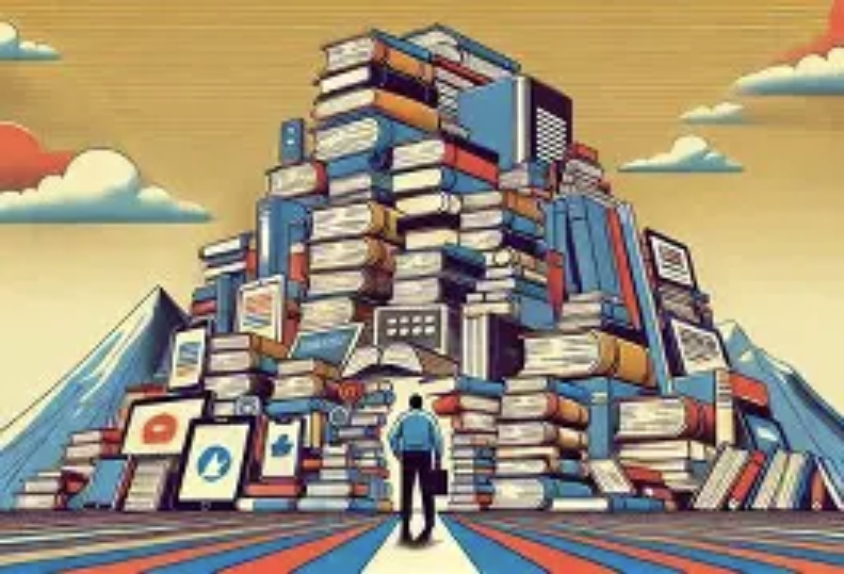
AI’s Zero-Marginal-Cost Knowledge Production
Generative AI has disrupted the conventional financial model associated with knowledge creation. Unlike human specialists, who need time, payment, and expertise to provide insights, AI technologies can produce, combine, and even contextualize information at nearly no additional cost. Consequently, once trained, an AI model can continuously generate explanations, summaries, and analyses, inundating the market with information that previously could only be obtained through costly consultations or elite courses.

The digital preservation of information has removed knowledge scarcity. Resources such as forgotten academic articles, outdated patents, and specialized technical documents, which were once confined to physical archives or proprietary databases, are now digitized and can be accessed on open platforms. Even classified research from organizations like the RAND Corporation or unpublished working papers from the World Bank can be located using simple search methods, diminishing once-rare knowledge of its higher value.
Algorithms Dilute Expertise’s Exclusivity
Recommendation algorithms have commoditized expertise. Online platforms utilize data to connect users with specialized material, eliminating the necessity for intermediaries like consultants or prestigious educators. A wealthy individual in search of insights on international trade no longer needs to engage a leading analyst; coding tools and publicly available data from government sources, organized by algorithms, offer immediate, unfiltered insights at minimal or no expense.
Digital Twins Demystify Complex Knowledge
Technologies such as digital twins and augmented reality have made intricate, specialized knowledge more approachable. Fields that once appeared daunting, such as aerospace engineering and marine ecology, are simplified through engaging simulations—like the lunar exploration teaching platform from North China University of Aeronautics and Astronautics—enabling non-specialists to comprehend ideas that previously required extensive formal education and costly training.
Technology accelerates the rate at which knowledge becomes outdated, decreasing its long-term relevance. In rapidly evolving domains such as AI and quantum computing, the duration that technical knowledge remains cutting edge has dropped to under a year. What was considered advanced expertise yesterday is now widely known, as new models and findings are shared quickly through digital outlets, rendering expensive, time-consuming education less beneficial.
Pseudo-Knowledge Floods the Digital Space
The simple process of digital publishing has inundated the market with inferior, superficial information. This pseudo-knowledge—often marketed as “expert advice” on social media platforms—diminishes the worth of authentic expertise. When inexpensive courses and brief videos claim to provide “mastery” of complex subjects, the perceived value of thorough, in-depth knowledge significantly declines, even for those with discerning tastes.
For individuals who have traditionally regarded knowledge as something precious, this transition is not a detriment but an invitation to reassess what is important. The genuine worth now exists not in merely obtaining knowledge, but in selecting, confirming, and utilizing it—abilities that technology is unlikely to mimic effectively, and that are the hallmarks of genuine insight.
(Writer:Seli)
Related Articles