Why Flagship Phones Keep Getting Pricier
advertisement
The increasing expenses associated with high-end smartphones cannot simply be attributed to corporate avarice; they reflect a significant transformation: these gadgets have transitioned from mere means of communication to advanced mobile technology hubs. For wealthy customers, the elevated cost now encompasses not just a display and a camera; it encompasses state-of-the-art advancements, integrated systems, and unique experiences that revolutionize everyday life.
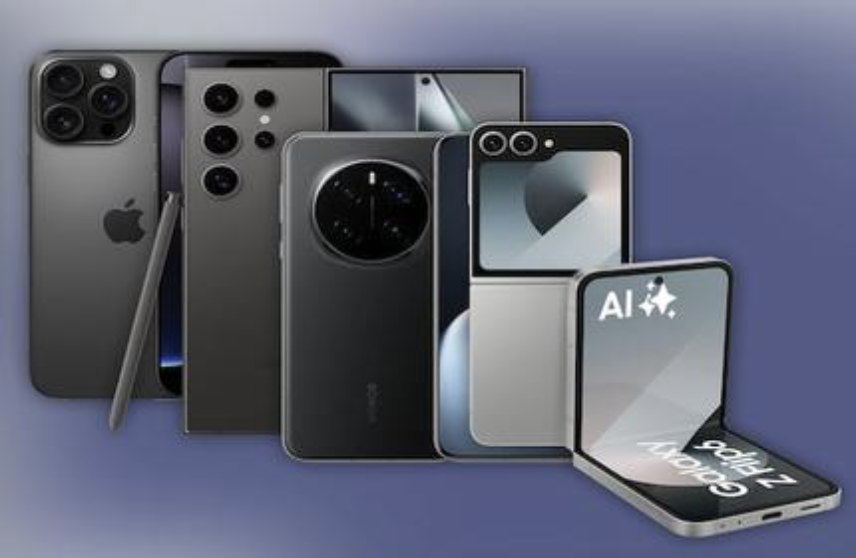
Custom-Built Chips for Unmatched Performance
Leading manufacturers such as Apple and Samsung have shifted away from using generic processors. The Apple A18 Pro employs a 3nm fabrication with a specialized neural engine designed specifically for artificial intelligence applications, while the Exynos 2500 from Samsung features a tailored GPU aimed at delivering console-level gaming experiences. The development of these chips involves substantial investments in research and development, but they result in multitasking speeds that are 40% quicker and AI processing that is double the efficiency of standard options, thereby justifying the higher costs for intensive users.
Modern flagship devices utilize high-quality materials that were previously exclusive to premium watches. The iPhone 16 Pro showcases titanium frames treated with a diamond-like carbon coating for enhanced scratch protection, whereas the Huawei Mate 70 Pro employs ceramic composite back panels that are lighter than glass and three times more durable. These high-end materials necessitate intricate manufacturing techniques, which elevate production expenses, yet they provide a level of resilience and refined tactile quality that sophisticated consumers desire.
Camera Systems as Professional Tools
Current flagship cameras compete with professional photography equipment. The Google Pixel 9 Pro features a 50MP primary sensor that utilizes computational photography to achieve a dynamic range of 15 stops, while the Xiaomi 15 Ultra boasts a Leica Summilux lens with an aperture of f/1.4, ideal for low-light photography. Manufacturers partner with prestigious optical companies such as Leica and Zeiss while investing in sensor technology, transitioning smartphones into portable studios—vital for creators and photography lovers willing to invest in excellence.

Ecosystem Lock-In with Exclusive Features
High-end smartphones serve as entry points to unique ecosystem advantages. The iPhone 16 Pro activates spatial video recording capabilities for Vision Pro headsets, whereas the Galaxy S25 Ultra from Samsung connects effortlessly with the Galaxy Z Fold6, facilitating dual-display productivity. Such functionalities establish a “walled garden” of benefits, where ownership of a single flagship phone elevates the value of additional devices—rendering the steeper price a strategic investment in a unified technology lifestyle.
5G/6G and Satellite Connectivity
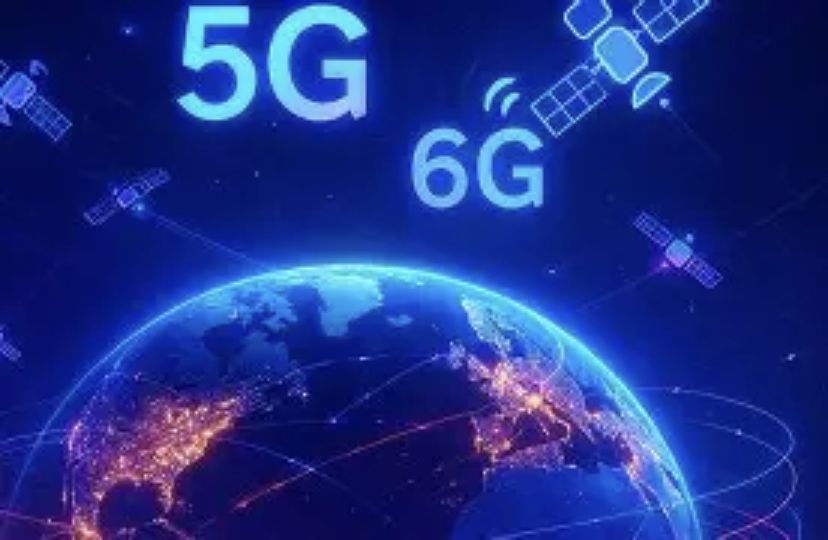
Flagship models are at the forefront of next-generation connectivity advancements. The OnePlus 13 is compatible with 6G experimental networks offering speeds that are ten times faster, while the iPhone 16 Pro provides emergency messaging via satellite and satellite-driven GPS functionalities for accurate location tracking in isolated regions. Incorporating these innovations entails alliances with telecommunications providers and sophisticated modem technology, which add to the costs yet deliver essential capabilities and future readiness that validate the investment.
Purchasers of flagship devices are inclined to pay for the privilege of being pioneers in technology. Be it the introduction of under-display fingerprint sensors, folding screens, or AI-enabled real-time translation, manufacturers launch revolutionary features on their most high-priced models. For wealthy consumers, this sense of exclusivity and early access to advanced technology is not merely an indulgence—it represents a commitment to staying ahead, making the increased cost a worthwhile exchange for innovation
(Writer:Haicy)
Related Articles