Tech Sectors Worth Entering for Ordinary People
advertisement
The swift advancement of technology has created opportunities for average individuals to develop stable, high-value careers without needing prestigious educational qualifications or significant financial resources. In addition to the widely discussed industries, numerous lesser-known tech fields provide solid demand, relatively easy entry points in comparison to their benefits, and potential for long-term expansion. These areas are in sync with industrial modernization, government backing, and unmet consumer needs, making them perfect for those pursuing consistent upward progress.
Edge AI Integration Services
Edge AI shifts computing capabilities to local devices, minimizing latency and enhancing privacy. Regular professionals can concentrate on tailoring lightweight AI configurations for smart homes, industrial sensors, and wearable technology. This area bypasses the intense competition seen in general AI development and caters to an expanding market where companies seek economical, on-device intelligent solutions.
Flexible Electronics Application
Flexible electronics enables foldable displays, medical patches, and smart fabrics. Positions involving assembly, testing, and scenario design emphasize practical skills rather than requiring advanced academic qualifications. As the demand for flexible components rises in consumer electronics and healthcare, this niche remains relatively uncrowded while being highly pertinent to advanced manufacturing and personalized technological products.

Low-Altitude Economy Operations
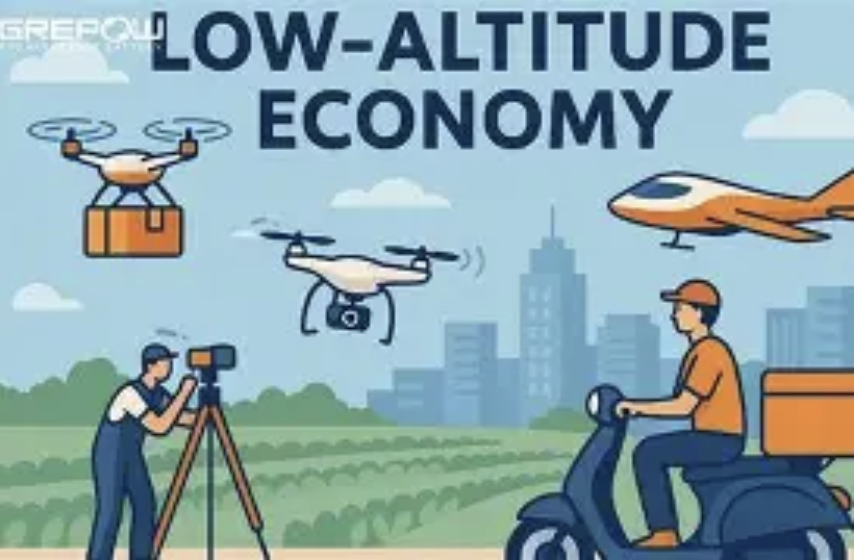
The commercialization of drones and urban air mobility generates workforce opportunities in flight coordination, maintenance, and scenario operation. Individuals can gain entry through training programs that emphasize safe drone management, logistical delivery support, and scenic aerial experience services. This budding sector profits from policy support and does not have a surplus of talent.
Digital Trust and Compliance
With an increase in data breaches, companies urgently require experts to oversee privacy compliance, perform ethical AI audits, and manage digital risk. This position merges fundamental tech knowledge with regulatory understanding, making it accessible for career changers from legal, administrative, or customer service roles. The need for this expertise remains strong as global data regulations become more stringent.
Marine information engineering utilizes sensing, communication, and data processing for monitoring the ocean and exploring resources. This specialized field has limited educational programs, leading to a continual talent shortfall. Roles concentrate on equipment deployment, data interpretation, and underwater technology assistance, aiding national strategies and commercial offshore ventures.
Smart Energy Retailing and Management
The transition to renewable energy generates prospects in distributed energy management, optimizing home energy use, and small-scale commercial storage services. Individuals can engage in consulting, installation assistance, and operational monitoring for solar energy and storage systems. This industry aligns with carbon neutrality objectives and provides opportunities for recurring service revenue.
Biomedical Data Annotation
Precision medicine and AI-based diagnostics depend on accurately annotated medical imaging and genomic data. This work requires meticulous attention to detail and relevant domain training instead of advanced medical qualifications. It is linked to high-value advancements in healthcare and offers stable remote or on-site employment for those with a keen eye for detail.
These sectors illustrate that technological opportunities are no longer restricted to elite engineers or investors with venture funding. By mastering practical, scenario-related skills, ordinary individuals can attain stable and respected careers in technology. The crucial point is to select fields with ongoing industry demand, steer clear of excessive hype, and develop expertise that addresses genuine challenges in the world.
(Writer:Matti)
Related Articles