How AI Widens the Gap Between People
advertisement
AI is regarded as a powerful equalizer, with the potential to make information and opportunities more accessible. However, behind its seemingly inclusive image, it is increasingly exacerbating existing disparities—particularly for individuals at the crossroads of wealth, technology, and accessibility. For those who grasp the complexities of technology's influence, this divide is not incidental; it is the result of how AI is created, implemented, and monetized, leading to a chasm that widens with each advancement in technology.
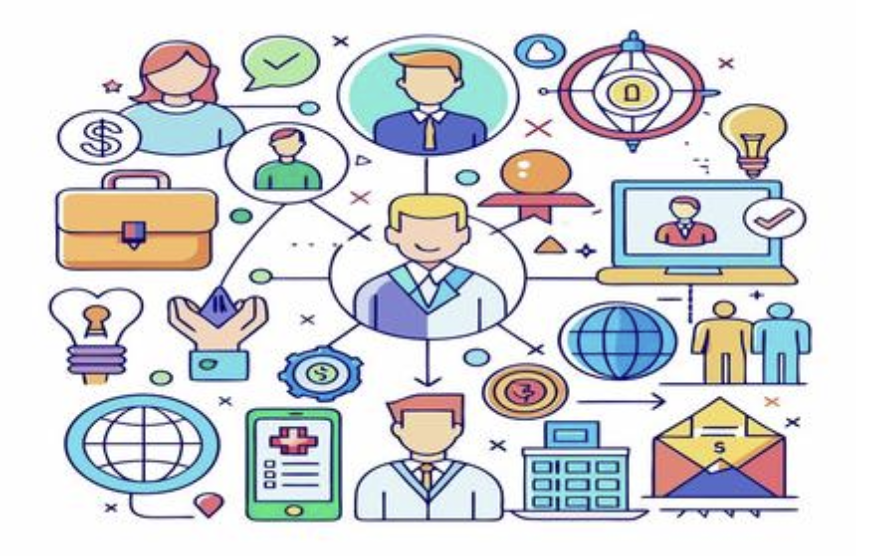
The real benefit of AI does not lie in merely utilizing AI tools but in fully mastering them. Wealthy individuals frequently have access to tailored coaching and exclusive materials that allow them to use AI for strategic purposes—whereas others find it challenging to progress beyond basic commands, limiting AI to a function that perpetuates, rather than diminishes, inequalities in skills.
Data Bias Favors the Affluent
AI technologies acquire knowledge from datasets that mirror prevailing social biases. Numerous training sets emphasize the preferences, actions, and needs of privileged, educated demographics, rendering AI solutions more useful for those who align with these categories—leaving others with options that appear foreign or of little relevance.
Restricted Access to AI Enhances Division
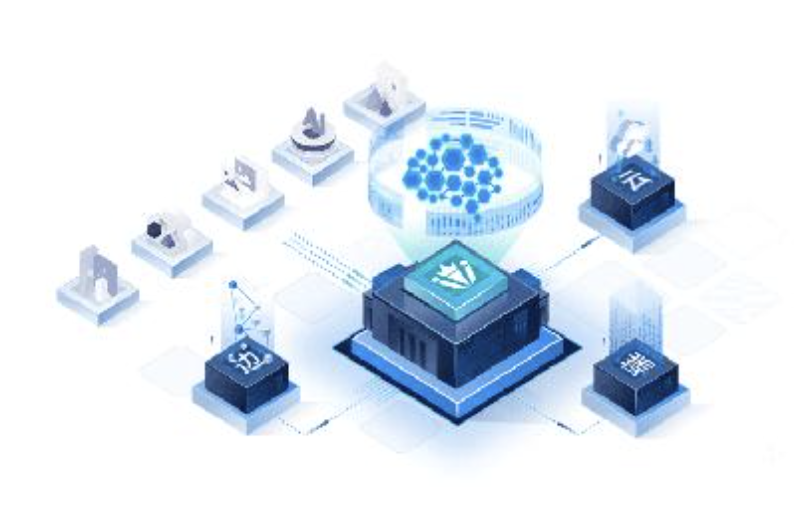
The most potent AI technologies—custom-built models, high-level analytics, and tailored AI assistants—are frequently paywalled or reserved for high-investment clientele. This creates a dual-tier framework: individuals who can invest in premium AI enjoy a competitive advantage, while others depend on basic tools that provide limited benefits.
AI Facilitates Privilege Instead of Equality
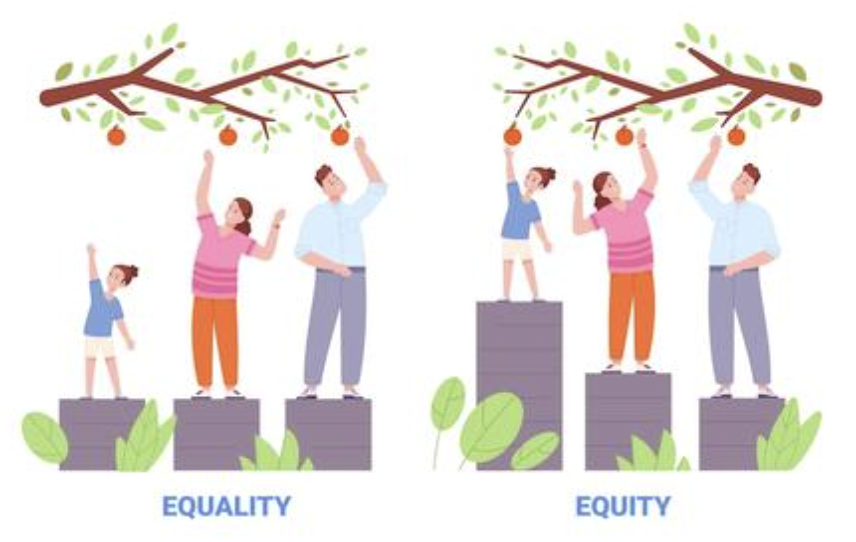
While AI is adept at automating repetitive tasks, it also magnifies privilege. Wealthy individuals utilize AI to enhance financial management, refine investments, and safeguard assets—while others witness AI replacing lower-wage positions, lacking access to tools that could assist in skill advancement.
This expanding digital gap exacerbates structural inequality, as benefits from AI disproportionately gather among individuals who already possess resources, education, and social assets. In the absence of inclusive policies and fair opportunities for accessing AI learning and tools, disadvantaged communities are increasingly left behind, unable to utilize intelligent systems for economic advancement. Eventually, this not only enlarges the divide between various social strata but also poses a danger of forming a society where success is increasingly dictated by one's capability to capitalize on AI, instead of personal initiative or skill.
Ownership of Data as a New Inequality
AI thrives on data, and those who can control or afford to utilize their data gain a significant advantage. High-net-worth individuals often possess the means to secure and profit from their data, while others unknowingly contribute their information to AI systems that serve others, furthering the divide.
AI Reinforces Existing Social and Professional Barriers
AI algorithms curate interactions and content, crafting echo chambers that favor established networks. Wealthy users are linked to opportunities, insights, and peers via AI, while others are limited to narrow networks—hampering upward mobility and deepening inequalities.
The capacity of AI to expand disparities is not an error in its design, but rather a reflection of the society it was created to support. For those equipped to harness its capabilities, AI acts as a driver of growth; for others, it presents an obstacle. Recognizing this divide is crucial for navigating a future where technology works to unite rather than segregate individuals.
(Writer:Matti)
Related Articles