Hydrogen Energy: Does It Have a Real Future?
advertisement
Amid the worldwide transition to sustainable energy, hydrogen has been recognized as a "fuel of the future" for many years—yet doubts persist, particularly among critical thinkers who prioritize real advancements over excitement. The evaluation of hydrogen energy’s authentic future is influenced not by grand environmental assertions but by concealed technological advancements, well-planned investment strategies, and substantial changes within ecosystems that extend well beyond the prevalent story of “zero-emission fuel.”
Seawater Electrolysis: A Game-Changer for Cost Reduction
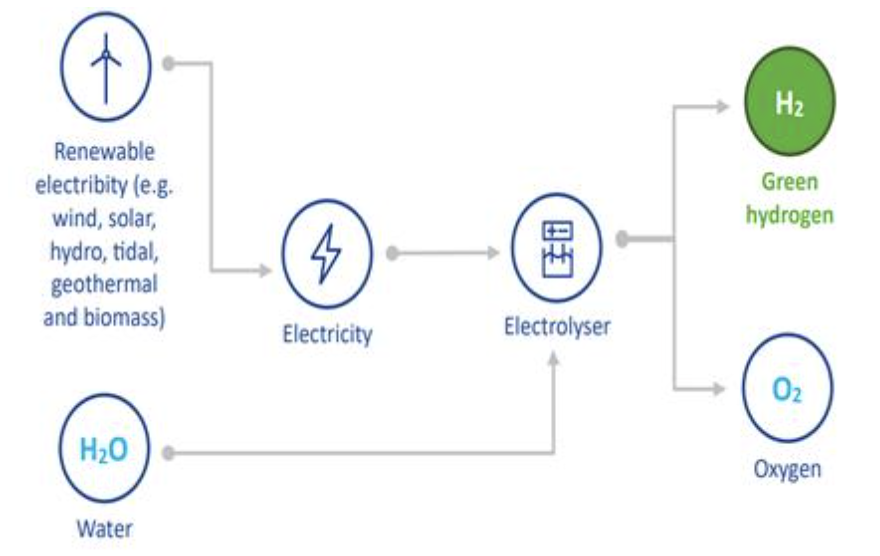
An underappreciated innovation is making green hydrogen economically viable: direct electrolysis of seawater. Unlike conventional techniques that depend on limited freshwater resources, recent technologies allow the direct extraction from seawater, utilizing a “one water, two gains” approach—creating hydrogen while simultaneously yielding valuable magnesium hydroxide as a byproduct. This method reduces costs by balancing production expenses with the value of the byproduct, enabling green hydrogen to compete with fossil fuel alternatives.
Green Liquid Hydrogen: The Premium Investment Frontier
For affluent investors, green liquid hydrogen (GLH₂) is becoming a tactical asset, extending beyond being merely an energy product. It provides comprehensive value—ranging from carbon credits to data-driven assets—with investors perceiving GLH₂ facilities as opportunities for value creation rather than simple production sites. This investment perspective, emphasizing long-range positioning and option value, is altering how wealthy stakeholders view the future of hydrogen.
Marine Energy Synergy: Unlocking Ocean Potential
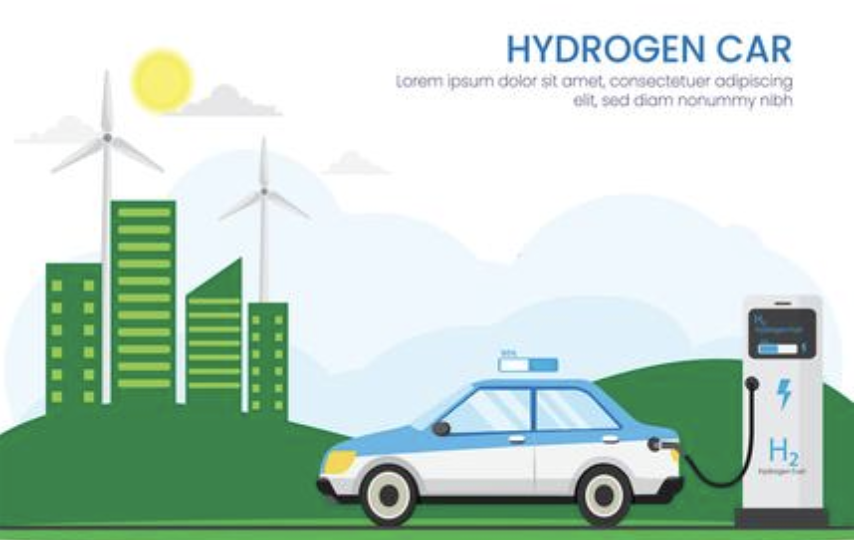
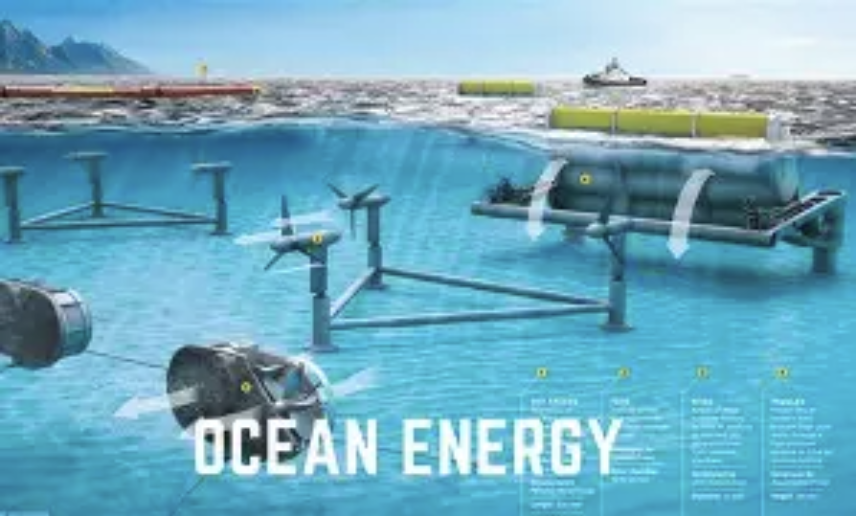
The prospects of hydrogen are closely linked to maritime technology, a specialized yet promising sector. Offshore wind and tidal energy are capable of powering seawater electrolysis installations, transforming oceans into a “blue energy repository.” This synergy addresses the challenges of renewable energy storage and utilization, fostering a self-sustaining ecosystem that is appealing to luxury maritime and coastal development initiatives favored by wealthy individuals.
High-Value Byproducts: Beyond Energy Production
Producing hydrogen now encompasses more than fuel—it yields high-demand materials. The magnesium hydroxide extracted through seawater electrolysis plays a vital role in aerospace and new energy battery production, generating additional revenue opportunities. For discerning investors, this “dual-value” concept enhances the resilience and profitability of hydrogen initiatives compared to energy ventures focused solely on one purpose.
The future of hydrogen relies on strategic positioning beyond mere technology. Progressive firms and investors are securing limited resources—ranging from prime coastal sites for seawater electrolysis facilities to long-term contracts with elite clients such as aerospace and luxury shipping industries. This positioning forms entry barriers, ensuring that early adopters can capture the majority of the increasing value associated with hydrogen.
Infrastructure Innovation: Beyond Traditional Refueling
The trajectory of hydrogen depends on groundbreaking infrastructure, not merely additional refueling points. Mobile electrolysis units, offshore production setups, and interconnected storage grids are enhancing access to hydrogen for specialized, high-value sectors—ranging from luxury yachts to exclusive resorts in remote areas. These innovations address infrastructure gaps without incurring the substantial costs associated with conventional deployment.
For individuals who prioritize a long-range perspective and concrete benefits, the future of hydrogen energy is not merely an aspiration—it is a developing chance. Fueled by innovative technology, smart investment reasoning, and diverse value generation, hydrogen is set to be a key element of the clean energy landscape, particularly for insightful investors who understand its latent possibilities.
(Writer:Seli)
Related Articles