Tech’s Challenge to the Definition of Humanity
advertisement
Technology has evolved from a tool that merely aids humans to one that is profoundly altering the fundamental definition of what it means to be human. For those who can utilize the latest advancements, this issue is anything but theoretical; it appears in everyday decisions, the creation of legacies, and the delicate balance between human qualities and technological enhancement, compelling a reassessment of what defines us as distinctly “human.”
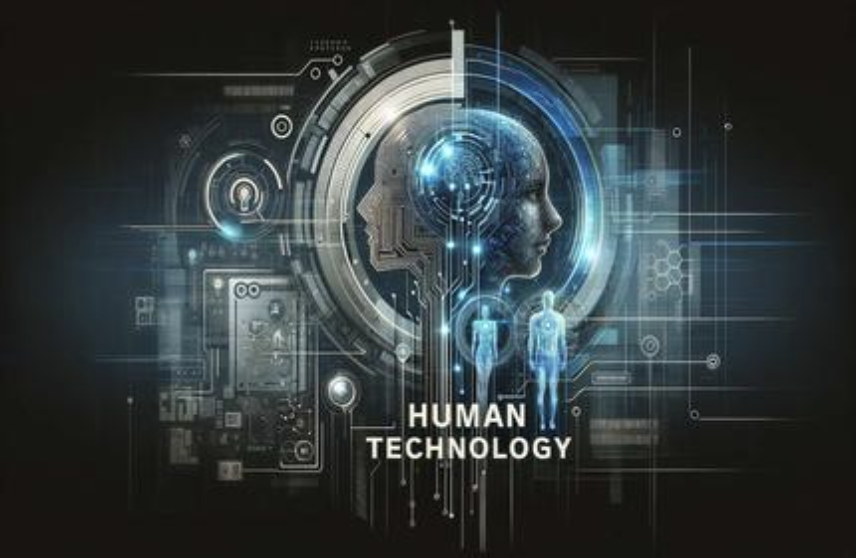
Wealthy individuals encounter a nuanced dilemma: as technology elevates human abilities—AI enhancing creativity, biotechnology increasing health, algorithms refining decision-making—human worth is increasingly detached from inherent characteristics. The distinction between innate talent and tech-facilitated success becomes ambiguous, challenging the notion that human value is based on natural abilities, especially in areas such as art, leadership, and legacy creation.
Legacy and Identity in the Digital Realm
Digital tools for immortality, such as AI voice replicas, blockchain-stored experiences, and virtual personas, are transforming the concept of human continuity. Wealthy families now find themselves questioning whether a legacy maintained through technology constitutes genuine “human” heritage. Is a digital persona embodying familial wisdom truly a continuation of the individual, or just a facsimile? This raises concerns about the enduring nature of personal identity beyond our physical form.

Ethical Responsibility in AI-Led Decision-Making
Affluence and power complicate the issue of ethical responsibility. When AI plays a role in decisions about philanthropy, family governance, or significant financial ventures, the clarity of accountability becomes obscure. Is a choice influenced by AI still rooted in human morality, or is it a partnership that diminishes individual responsibility? This blurs the previously distinct relationship between humanity and ethical decision-making.
Craftsmanship and Authenticity in Automated Environments
In elite and specialized sectors, technology poses a threat to the human aspect of craftsmanship. Art created by AI that appears indistinguishable from that made by humans, luxury items produced by robots, and experiences curated by algorithms question the worth of human effort and insight. For careful collectors and artists, the significance of the “human touch” is waning as technology mimics what was once solely characteristic of our species.
The rise of biotechnology and neural connections obfuscates the distinction between human beings and machines for those seeking enhancement. Devices that connect thoughts to digital environments, or wearables that correlate emotions with technology, prompt a critical inquiry: when our feelings and perceptions converge with technology, do we continue to be entirely human, or do we evolve into a new hybrid form?
Reconceptualizing Humanity Across Generations
Younger individuals raised in a tech-centric environment and older generations focused on legacy are at odds regarding the essence of humanity. The younger demographic views technology as an extension of their identities, while the older generation clings to conventional indicators of human experience. This generational divide compels affluent families to redefine their shared identity—whether humanity is characterized by resistance to technology or by the acceptance of integration as a novel way of existence.
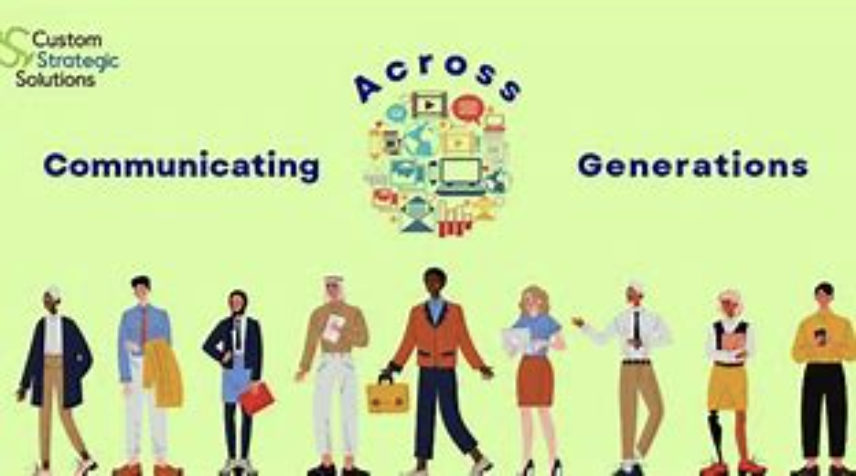
The challenge posed by technology to the definition of humanity goes beyond substitution; it is about a profound redefinition. For those with resources, the objective is not to dismiss innovation but to protect the fundamental aspects of human identity—such as empathy, moral integrity, and genuine relationships—within a landscape where the distinctions between human beings and technology increasingly blur.
(Writer:Dick)
Related Articles