Beyond Abundant Knowledge: The Value of Capabilities
advertisement
Technology has made knowledge accessible to everyone—AI produces insights in moments, online databases hold vast human knowledge indefinitely, and worldwide courses are merely a click away. For individuals involved in privileged spheres, managing wealth, and making significant choices, this surplus has shifted the principles of value: pure knowledge turns into a tradable asset, whereas the skill to use it intelligently becomes the most valuable resource.
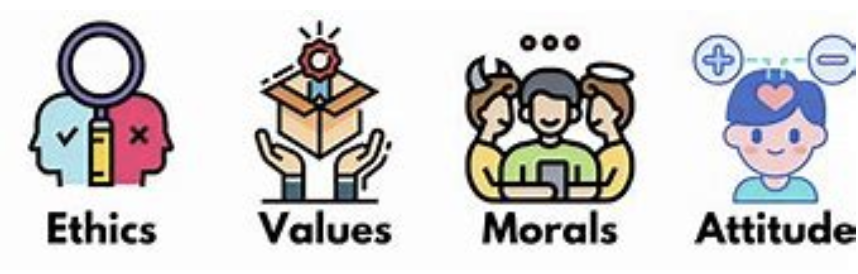
An abundance of market information and economic concepts is accessible to those who hold a subscription, yet it is only individuals capable of synthesizing this data into a customized investment plan—one that considers a client’s comfort with risk, aspirations for legacy, and the underlying macroeconomic trends within the figures—who genuinely generate unmatched value. In the same way, artificial intelligence can generate numerous answers to a business challenge, but it requires human judgment to evaluate ethical considerations, the needs of stakeholders, and the enduring reputation of the brand before choosing the best course of action.
Knowledge Curation & Critical Filtering
AI overwhelms us with data, yet distinguishing worthwhile insights from irrelevant information necessitates a unique skill set. Wealthy individuals depend on this ability to assess AI-generated investment analyses, sifting through biased information to discover high-potential opportunities. Unlike readily available market insights, the skill to validate sources and synchronize information with personal objectives cannot be mimicked by automated systems.
Retrieving information is where AI excels, but directing AI to tackle complicated challenges requires human insight. Elite practitioners utilize AI to analyze extensive datasets, yet solely human discernment can establish ethical guidelines, modify approaches to sudden market changes, and infuse decisions with emotional acumen—essential in managing family businesses or innovating luxury brands.

Innovation: Translating Knowledge to Action
Awareness of technological trends is widespread, but the conversion of concepts into real value is uncommon. Wealthy investors favor entrepreneurs who can evolve blockchain or biotechnological knowledge into scalable companies. This capacity to connect theoretical knowledge with practical application, navigate through failures, and align innovations with market needs significantly outweighs the value of simple technical knowledge.
Cross-Domain Capability & Synergy
Acquiring specialized knowledge is straightforward, yet synthesizing insights from various domains is a valuable expertise. A leader in a luxury brand who merges AI data analysis with traditional craftsmanship, or a family office consultant who combines climate technology knowledge with asset protection, fosters distinctive competitive advantages—value that standard knowledge alone fails to provide.Familiarity with modern tech environments is prevalent, but foreseeing hidden risks necessitates an anticipatory ability. Astute investors utilize their skills to detect deficiencies in AI-generated models or foresee regulatory changes affecting emerging technologies, steering clear of traps that individuals with only superficial knowledge might encounter.
Value Shaping & Ethical Judgment
Technology conveys impartial information, yet determining its ethical use is a human ability. For affluent individuals constructing legacies, the capacity to direct technology use—like balancing AI performance with privacy concerns or leveraging biotechnology ethically—shapes enduring reputation and value, exceeding the usefulness of knowledge itself.In a time characterized by endless information, skills are the primary form of currency. For discerning individuals, it is not solely what one knows, but how one enhances, implements, and advances knowledge that defines success in a technology-driven environment.

(Writer:Wanny)
Related Articles