Future Health: Fully Automatic Management
advertisement
For wealthy individuals, good health has always represented the pinnacle of luxury. The wellness environment of the future will not only be customized but will also operate autonomously, where technology can foresee, modify, and enhance health without the need for ongoing human intervention. This extends beyond step-counting fitness devices; it's a comprehensive system that integrates proactive health seamlessly into a luxurious lifestyle.
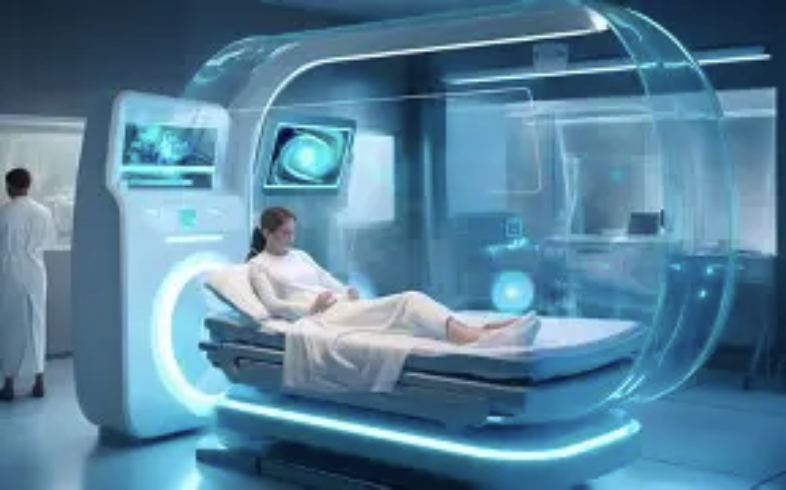
The homes of tomorrow will function as continuous health monitors. Intelligent flooring equipped with pressure sensors will identify changes in walking patterns that may indicate joint problems; integrated air quality systems will modify humidity and filtration according to real-time data on allergies. Lighting will even adapt to circadian rhythms, changing colors to enhance sleep quality—all without any manual adjustments. For busy professionals, this creates a living space that acts as a quiet health ally, gathering valuable information while they engage in work or unwind.
Nutrition: AI-Curated, Robot-Prepared
The era of one-size-fits-all meal plans is over. Completely automated nutrition systems will evaluate blood tests, metabolic rates, and even emotional states through wearable technology to develop personalized daily meal options. Luxury robotic kitchens will then prepare exquisite dishes—from smoothies enriched with collagen to dinners designed to reduce inflammation—using fresh, organic ingredients sourced locally. A tech innovator may wake up to find breakfast tailored specifically to mitigate the stress from their morning meeting, with selected nutrients aimed at enhancing focus and stamina.

Preventive Care That Predicts, Not Reacts
Completely automated healthcare focuses on preventing problems before they arise. Artificial intelligence will analyze information from wearable devices, genetic data, and lifestyle choices to identify potential health threats—such as early signs of metabolic issues or heart stress. Private medical assistants will be notified immediately, arranging virtual health consultations or in-home assessments prior to the onset of symptoms. For affluent individuals, this transforms healthcare from a reactive approach to one of proactive safeguarding, promoting longevity and tranquility.
Future fitness will no longer necessitate gym subscriptions. In-home artificial intelligence trainers will modify fitness routines according to recovery status—if a wearable indicates muscle strain, it can replace intense workouts with gentle yoga sessions. Smart mirrors will offer immediate feedback on exercise form, while robotic resistance machines will adjust weight automatically. Even everyday activities will be optimized: a smart staircase may prompt calf raises during trips to the kitchen, seamlessly incorporating small workouts into a hectic schedule.
Mental Wellness: Automated Emotional Support
Mental well-being will receive the same level of full automation. Voice-responsive AI will detect subtle changes in tone that may indicate stress or anxiety, providing guided meditations or breathing exercises through smart speakers. Intelligent furniture, such as ergonomic chairs that provide gentle vibrations to alleviate tension, will respond to biometric signals. For those who value mindfulness, this availability of emotional support means assistance is at hand—without the need to open an app or make a schedule.

The connection among these innovations lies in a comprehensive health ecosystem. Every device—from wearables to home automation technologies—will connect to a central AI hub that tracks preferences and enhances its methods over time. A world traveler’s health information will accompany them, adjusting hotel room atmospheres and meal preparations in real time. For wealthy individuals, this represents not merely convenience—it is the ability to concentrate on what truly matters, secure in the knowledge that their health is managed by state-of-the-art technology. The forthcoming era of health is not just automated; it embodies a beautifully effortless existence.
(Writer:Frid)
Related Articles